Most nutritional guidelines indicate an approximate percentage of macronutrients-carbohydrates, proteins, and fat-humans required for optimal health. Following a work out plan also affects these numbers. In general, to maintain a healthy weight, wome need 1,600 to 2,400 calories per day, and men need 2,000 to 3,000 calories. Age, sex, and level of activity along with diet and fitness goals are among the factors that determine how these calories are portioned among the macronutrients.
Keep in mind, a registered dietitian can answer a varietyof questions for you on suggested intake amounts based on your goals, whetheryou’re working towards weight loss, body building, or general fitness. Whatever breakdown of nutrients you follow, focus on variety, nutrient density, and healthy amounts of all food groups. Limit calories from sugars, saturated fats, and reduce salt intake.
So here is your breakdown!
1.) Choose your Carbohydrates: Carbs are one of the main nutrients in our diets, and the most important one for those who are following a workout regimen-they are not only the top food source for energy, but they are also a source of recuperation. The digestive system turns carbs-most commonly sugars, starches, and fiber-into glucose (blood sugar), which the body then converts to energy that supports bodily functions and physical activity. When choosing carbs, remember, the more complex the better.
Simple Carbs: Simple carbs, such as white bread, white rice, or refined sugars, interfere with fat metabolism, may contribute to weight gain, decrease the body’s energy needed for prolonged activity, increase hypertension (leading to high blood pressure) and can create an energy roller coaster as blood glucose levels fluctuate.
Complex Carbs: These carbs, found in natural , high-fiber foods like whole grains, fruits, and vegetables, and beans, are far better for you than refined foods because they get absorbed more slowly into the system, avoiding spikes in blood sugar and offering sustained energy. They also make you feel more satiated after a meal and less likely to snack.
2.) Pick your Proteins: Proteins are organic molecules made up of amino acids-the building blocks of life-that produce enzymes, hormones, neurotransmitters, and antibodies that enable the human body to function. Proetins also aid in growth of muscle tissue. As food is digested, proteins break down in the bloodstream into individual amino acids that trade with other amino acids already located in our cells. This provides a supply of frequently replenished amino acids that are ready when needed. Some fitness buffs believe that if you beef up on protein-which contains 4 calories per gram-you will gain muscle. Although it’s true that proteins rebuild and repair muscles, your body can only handle a certain amount; the rest turns to waste. So limit your intake to six to seven ounces of protein daily-even if you are an athlete.
Complete Proteins: These generally come from animal sources and include beef, poultry, fish, milk, eggs, cheese, and yogurt. Plant-based soy is also a complete protein.
Incomplete Proteins: This group is made up of vegetable sources that don’t contain all nine essential amino acids, or don’t have sufficient quantities of them. They include nuts, seeds, beans, and grains. They should, ideally, be combined with each other to complete the essential amino acid profile-for example, you can pair rice with beans, toss some almond silvers over a leafy spinach salad, or spread peanut butter on whole-grain toast.
OPT for Vegan Protein: If your a vegetarian or vegan, there’s no need to become protein deprived. There are plenty of plant-based foods that supply the necessary protein needed for a healthy diet.
Low-Calorie Sources: Foods made from soybeans offer some of the highest amounts of protein: tempeh and tofu contain 15 and 20 grams per half cup, respectively. Actual soybeans, known as edamame, are also a rich source. Legumes, like peas, beans, and lentils, make an excellent meat substitute. Peas contain 7.9 grams of protein per 8 ounces, about the same as a cup of milk. Although grains contain a relatively small amount of protein, quinoa (a type of seed) offers more than 8 grams per cup, as well as all nine essential amino acids. Also, known as the perfect protein.
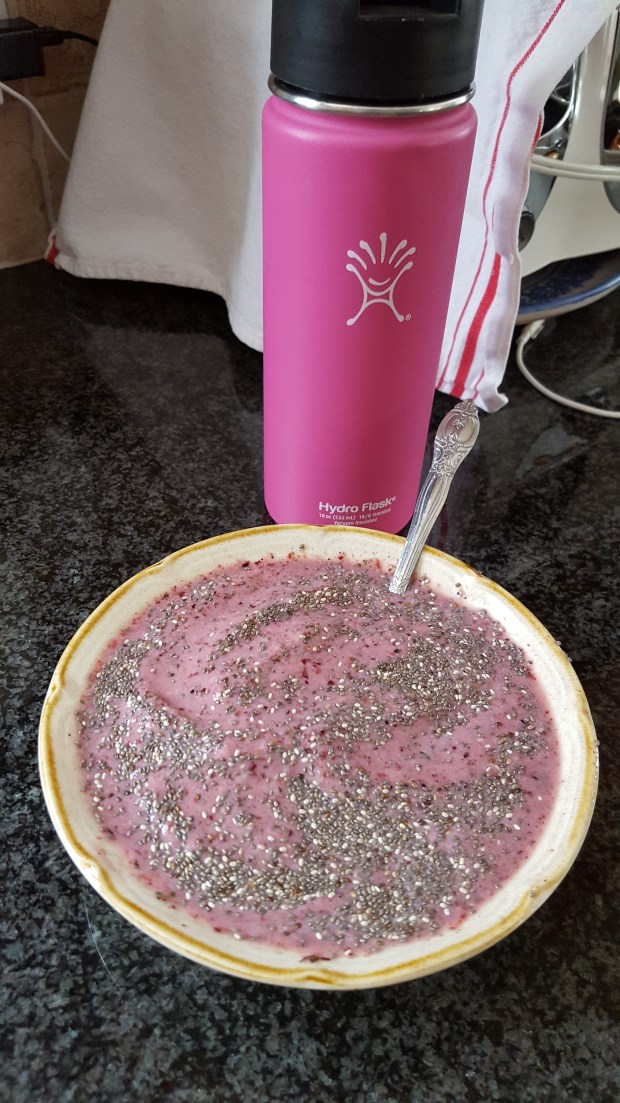
High-Calorie Sources: Nuts, whuch provide healthy fats and proteins, are invaluable in a plant-based diet. They can be high in calories-roasted almonds, cashews, and pistachios contain 160 calories per ounce along with their 5 to 6 grams of protein-so choose varieties that are raw or dry roasted. Nuts and seeds make an ideal protein-based snack for those times at work when you skipped lunch or when you’re heading to the gym and need a nosh. Sesame, sunflower, poppy, chia, hemp, and flax are especially good choices because they also contain fiber, minerals, vitamin E, and omega-3 fatty acids. With all those calories, however, stick to recommended portions.
3.) Don’t Fear the Fat: Fat often gets a bad rap as the culprit behind unwanted weight gain. However, a balanced diet requires this macronutrient: fat supports some body functions and helps dissolve certain vitamins. It is important to know which of fats are beneficial and which are the ones to avoid.
Saturated & Trans fat: Although it is okay to have in diet, too much is not good. Can come from animal sources like red meat, poultry, etc., and has been linked to higher levels of cholesterol and high-density lipoprotein (LDL), which can increase the risk of cardiovascular disease. Trans fat occurs naturally in many foods, but most are made from oils using a process called partial hydrogenation. Trans fats also increase LDL levels and lower beneficial high-density lipoprotein (HDL). They are typically solid or semi-solid at room temperature.
Monounsaturated & Polyunsaturated fats: There are healthier fat options, including monounsaturated fats (MUFA), which improves cholesterol levels, and polyunsaturated fat (PUFA), found mostly in plants or oils. Healthy fats, like olive, safflower, peanut, and corn oil, remain liquid at room temperature. Additionally, heart-healthy omega-3 fatty acid is a PUFA that can actually decrease the risk of coronary artery diesease. Sources include oily fish like salmon, tuna, sardines, and herring, as well as avocados, flaxseed, canola (rapeseed) oil, nuts, and many spices.
Get those macro’s!





 Healthy-Living In Your Hands.